Table of Contents
ToggleThe Grand Exchange (GE) is RuneScape’s beating heart, millions of gold pieces flow through it every day, and fortunes are made and lost on price fluctuations. But here’s the thing: most players are flying blind. They buy items hoping prices go up, panic-sell when things dip, and wonder why their bank account stays flat while others are stacking wealth. That’s where a GE tracker comes in. A GE tracker is essentially your crystal ball for the RuneScape economy, giving you real-time price data, historical trends, and the insights you need to make informed trades. Whether you’re looking to flip items for quick profit or build long-term investments, understanding how to use GE tracker tools properly is the difference between grinding aimlessly and actually building wealth in Gielinor. This guide breaks down everything you need to know about GE trackers in 2026.
Key Takeaways
- A GE tracker gives you real-time price data, historical trends, and profit opportunities in RuneScape’s Grand Exchange, transforming casual players making 100k-500k gp daily into serious traders earning 1-5 million gp daily.
- Use a GE tracker’s buy-sell spread data and margin calculators to identify flipping opportunities, but always account for the 1% GE fee—only trades with 2-3% margins or higher are worth pursuing.
- Create a watchlist of 10-15 items with consistent demand and 5-15% profit margins (like armor pieces and herbs) to build trading intuition before advancing to high-risk, high-reward strategies.
- RuneScape’s economy follows cyclical patterns visible in historical price graphs; study trends over weeks and months to identify seasonal spikes and predictable crashes rather than treating daily prices in isolation.
- Avoid over-leveraging by never allocating more than 10% of your bank to a single item, and always research upcoming game updates that could devastate prices before committing capital to long-term investments.
- Free tools like Price Tracker, RuneLite (for OSRS), and Discord bots provide the data needed to make informed trades—choosing the right GE tracker for your playstyle is as essential as using DPS calculators for PvM.
What Is The GE Tracker And Why Every RuneScape Player Needs It
The GE tracker is a third-party analytical tool that monitors Grand Exchange prices in real-time, tracks historical data, and helps you spot profit opportunities. Think of it as a Bloomberg terminal for RuneScape’s economy. Instead of manually checking prices every few minutes, a GE tracker aggregates data from thousands of transactions and presents it in an organized, searchable format.
Why does every serious player need it? Because the RuneScape economy is massive and inefficient. Prices shift constantly based on new content, seasonal demand, and player behavior. An item worth 50,000 gp today might be 75,000 gp next week, or it could crash to 30,000 gp if a new training method gets popularized. Without a tracker, you’re making decisions based on gut feeling or whatever you see in the GE window at a specific moment. With one, you’re making data-driven decisions.
The practical impact is significant. Casual players might make 100k-500k gp per day through random flipping. Players who understand GE tracker data can consistently make 1-5 million gp daily through intelligent trading. That’s the difference between grinding quests for another year versus actually funding your account’s progression.
How The GE Tracker Works In RuneScape
Key Features That Set GE Trackers Apart
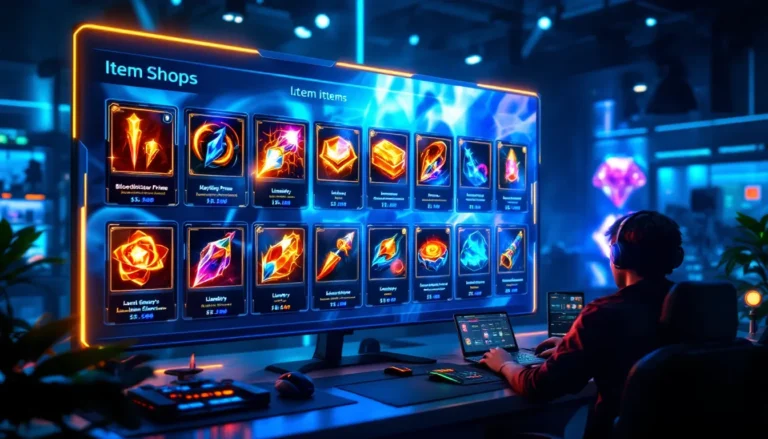
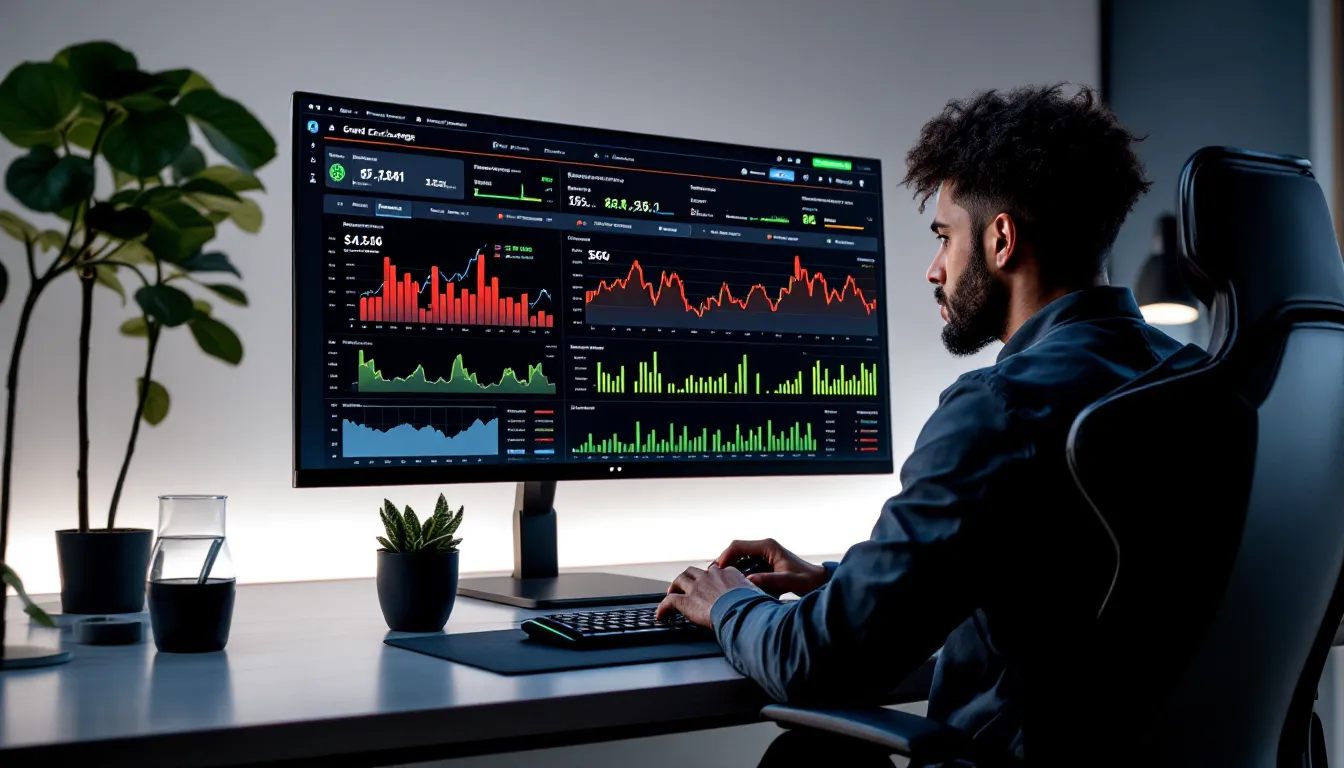
A solid GE tracker gives you several critical tools. First, price history graphs show exactly how an item’s value has changed over days, weeks, or months. You’re not just seeing today’s price, you’re seeing the trend. Second, buy and sell volume data tells you how many transactions happen at different price points. High volume at a certain price means liquidity: low volume means the item might be hard to move. Third, price alerts notify you when an item hits a target price, so you don’t have to check manually all day.
Most modern trackers also include margin calculators that instantly show your potential profit if you buy at one price and sell at another. Some even track margin trends, showing which items are historically profitable to flip. The best tools also offer portfolio tracking, letting you log your trades and see your actual performance over time.
Real-Time Price Monitoring
Real-time monitoring is where GE trackers earn their keep. The Grand Exchange updates prices constantly throughout the day based on supply and demand. A GE tracker syncs with that data (either through official APIs if available, or by aggregating player submissions) and shows you prices that are refreshed every few seconds or minutes, not stale data from hours ago.
This matters because the difference between catching an item before it spikes and catching it after can be millions of gp. A player using real-time monitoring might notice that Dragon Bones are suddenly cheaper than usual due to increased supply. They buy 1,000 at 4,500 gp each. Six hours later, the supply dries up and price climbs to 5,200 gp. That single trade nets 700,000 gp profit. Without real-time data, they’d have no idea the opportunity existed.
Getting Started With GE Tracker: Setup And Navigation
Accessing GE Tracker Tools And Websites
Getting started is straightforward. Most GE trackers are web-based, so you don’t need to download anything, just visit the site and start searching. The main ones work on PC, Mac, and mobile, so you can check prices while on your phone at work or school. No special in-game client required: everything runs through your browser.
Once you’re on a tracker’s homepage, you’ll see a search bar. Type in an item name (e.g., “Barrows Gloves” or “Twisted Bow”) and hit search. Within a second, you’ll get results showing current GE price, today’s price range, recent transaction volume, and sometimes historical charts. The interface is usually intuitive, most serious players learn how to navigate within minutes. If you’re using the tracker from a RuneScape community site, it might be embedded directly, so you don’t even need a separate browser tab.
One important note: always verify which version of RuneScape you’re looking at. Some trackers cover both OSRS (Old School RuneScape) and RS3 (RuneScape 3), since prices differ significantly between the two. Make sure you’re checking data for the right version, or your profit margins will be completely wrong. RuneScape Tools: Essential Resources covers other essential companion apps that work alongside GE trackers.
Creating Your First Watchlist
A watchlist is your personal collection of items you’re actively tracking. Instead of searching for the same 10 items repeatedly, you create a list and the tracker refreshes prices for all of them in one view. This is a game-changer for serious flippers.
To create one, most trackers have a “Save” or “Add to Watchlist” button next to search results. Click it, and the item gets saved. You can usually set price targets too, like “alert me if this drops below 45,000” or “notify me if this hits 60,000.” Some trackers let you sync this data across devices or even export your watchlist as a spreadsheet.
Here’s a realistic first watchlist for someone starting out: mid-tier armor pieces like Rune Plate Bodies, Leather Armor, entry-level boss drops like Ranarr Weeds, and herbs used in training potions. These items have consistent demand, reasonable profit margins (usually 5-15% if you’re patient), and decent daily volume. You won’t make bank on a single item, but you’ll build habit and intuition. Essential RuneScape Tips also covers how to structure your trading time efficiently.
Profit Strategies Using GE Tracker Data
Flipping And Short-Term Trading Tactics
Flipping is buying low and selling high within hours or days. A GE tracker makes this concrete. You’re not guessing, you’re looking at actual data.
Here’s a basic flipping strategy: identify an item that has traded between 10,000 and 15,000 gp over the past week. The current price is 14,500 gp, near the high end. You place buy orders at 12,000 gp. You might wait a few hours, but when supply increases slightly, your orders fill at your target price. Now you own the item at 12,000. You immediately list it for 14,000 (undercut by 500 to sell faster). Within hours, your offers fill, netting a 2,000 gp profit per unit. Do this 100 times with different items, and you’ve made 200,000 gp in a single day.
The key is margin awareness. A GE tracker shows you the buy-sell spread instantly. If an item’s buy price is 10,000 but the lowest sell offer is 12,000, that 2,000 gp gap is what you can theoretically capture if you’re willing to wait. But if the spread is only 100 gp, it’s not worth the effort and GE fee (which is 1% of your offer).
Effective flippers watch multiple items and exploit temporary dislocations. When a new boss drops are released, specific items spike. When a method becomes less popular, related items crash. A tracker helps you spot these moments before they become common knowledge. RuneScape Trends 2026: What to Expect in the Year Ahead breaks down what changes might affect item prices this year.
Long-Term Investment Opportunities
Long-term investing is different. Instead of flipping daily, you’re identifying items that you believe will be worth more in 3-6 months. A GE tracker helps you find undervalued assets.
For example, early 2025 you might have noticed Untraded Bonds were sitting at 2.5 million gp. Historical data showed they often trade at 3.2 million during peak seasons. A tracker lets you see this pattern clearly. An investor buys 50 bonds at 2.5 million, waits two months until season changes drive demand up, and sells at 3.0 million. That’s 25 million gp profit on a 125 million gp investment, a 20% return.
Long-term investing requires patience and conviction. You need to understand why an item will be valuable later. Are supplies being removed? Is new content coming that will increase demand? A tracker shows you the baseline data, but you need to think about game updates and the meta. The best long-term investments combine tracker data with game knowledge. RuneScape Strategies: Essential Tips covers how to think strategically about your account goals, which directly informs investment decisions.
Advanced GE Tracker Features For Serious Investors
Price Trend Analysis And Forecasting
Once you understand the basics, advanced trackers reveal deeper patterns. Historical price graphs let you see cyclical trends. Some items trade higher on weekends when more players are online. Others spike after updates. Some gradually appreciate over months.
A sophisticated trader uses trend lines and moving averages to predict where prices might go. If Ranarr Seeds have risen 200 gp per week for the past month, and nothing has changed fundamentally about the game, that trend might continue. Conversely, if Spirit Seeds have been crashing since a new training method was discovered, that crash likely has further to go. A GE tracker with built-in analysis tools shows you these trends visually, making patterns obvious instead of requiring manual spreadsheet work.
Forecasting isn’t perfect. The RuneScape economy is influenced by updates, seasonal events, and player behavior that can shift suddenly. But a good trend analysis increases your odds. Professional traders spend time studying historical patterns in their tracker, identifying which items are cyclical, which are stable, and which are trending. They then build watch lists around those patterns.
Identifying Market Manipulation And Volatility Patterns
RuneScape’s economy isn’t random. Organized groups sometimes manipulate prices, buying heavily to artificially inflate value, then selling. Solo traders do this too on smaller scales. A GE tracker helps you spot when something smells off.
Warning signs include sudden, unexplained price spikes with no game change to justify them, followed by crashes. Extremely high trading volume on an item that usually trades rarely. A price that’s moving against historical patterns. An elite trader learns to recognize these patterns and either avoids the item or exploits the manipulation (buying before the spike, selling before the crash).
Volatility itself is useful data. High-volatility items are risky but offer bigger margins to confident traders. Low-volatility items are stable but require large volume to profit significantly. A GE tracker quantifies this volatility, showing you standard deviation or simply displaying the price range over different time periods. You pick your risk tolerance and adjust your strategy accordingly. RuneScape Techniques: Essential Strategies goes deeper into recognizing patterns in gameplay that translate to market behavior.
Common Mistakes Players Make When Using GE Tracker
Ignoring Market Context And Historical Data
The biggest mistake is treating today’s price in isolation. A player sees that Adamant Ore costs 800 gp today, buys 10,000 units thinking “ore is always useful,” then watches the price drop to 700 gp as supply increases. They panic-sell at a loss.
If they’d looked at the tracker’s historical data, they’d see ore crashes every time a new ore is added or a better training method is released. They’d have known this wasn’t a random dip, it was part of a predictable cycle. Better yet, they wouldn’t have bought ore at all that week because the trend was already downward.
A GE tracker’s historical data is your protection against these amateur mistakes. Always check the trend before buying anything with significant capital. Ask yourself: Is this item in an uptrend or downtrend? What’s the volume? Are there any upcoming game changes that might impact this? If you can’t answer these questions using the tracker’s data, don’t trade the item.
Over-Leveraging Capital On Single Items
Another common error is putting too much of your total wealth into one item. A player sees Twisted Bow (a high-value item) at 950 million gp. They think it’s cheap compared to the 1.2 billion gp it traded at a month ago. They dump 800 million gp to buy it, betting it’ll rise again.
Then a nerf is announced. The bow becomes less useful in PvM. Price crashes to 700 million gp. Now they’ve lost 250 million gp, and they’re stuck holding the item because they don’t have capital to invest elsewhere. A diversified trader spreads capital across 20+ items, limiting damage from any single bad call.
The tracker helps here by making you aware of real margin percentages. If you can only make 2-3% profit on an item even if you time it perfectly, allocating 50% of your bank to it is insane. A conservative rule: never allocate more than 10% of your total bank to a single item or strategy. Use the tracker to ensure you’re always aware of your margin and concentration risk.
One more mistake: ignoring the GE fee. When you place a sell offer, RuneScape takes 1% of the offer price. Smaller margins than 2-3% get completely eaten by fees when you factor in both buy and sell transactions. A tracker that shows margins should always deduct that 1% fee from your calculations.
Best GE Tracker Tools And Resources Available Today
Top Standalone GE Tracker Platforms
Several platforms dominate the GE tracker space in 2026. Price Tracker, one of the oldest and most reliable, offers comprehensive historical data, price alerts, and portfolio tracking. It’s completely free and has both a web version and a mobile app. The interface is clean, and the data is updated multiple times per minute.
RuneLite (technically a client mod for OSRS) includes an integrated GE tracker that displays prices without leaving the game. If you’re an OSRS player, this is hard to beat because you can check prices while actually playing, no context-switching needed. It’s free and open-source.
For RS3 players, RuneScape Wiki’s price guide provides solid baseline data, though it’s less real-time than dedicated trackers. Many RS3 players pair this with a general-purpose tracker for more detailed analysis. Tier lists and build guides from Game8 also occasionally reference item value and trading tips for MMORPG items, which provides context for why certain prices matter.
Each of these tools has slightly different strengths. Price Tracker is most feature-rich. RuneLite is most convenient for OSRS. The Wiki is most authoritative but least real-time. Pick based on what matters to you: convenience, features, real-time accuracy, or historical depth.
Browser Extensions And Integrated Solutions
Browser extensions add GE tracker functionality directly into your browser. You search for an item on the GE in-game, and a sidebar pops up showing historical price data and margin info without needing a separate tab. This saves time if you’re flipping actively.
Some community Discord servers have bots that query GE data instantly. You type a command like .price twisted bow and the bot responds with current price, 24-hour range, and volume. These are great for quick checks during gameplay, especially if you’re playing and flipping simultaneously.
Integrated solutions like Trading Post, built into some OSRS communities, go further. They let you manage buy and sell orders across your account, track profit and loss in real-time, and even export data for tax purposes (for RuneScape bonds converted to real currency, which exists in RS3). GamesRadar+ provides broader gaming guides that occasionally touch on in-game economies and trading systems, giving context for why item trading matters.
The best setup is usually a combination: a main tracker for detailed analysis and portfolio tracking, plus a browser extension or Discord bot for quick price checks during gameplay. This keeps you informed without slowing you down. Best RuneScape Version: OSRS discusses which version might suit different playstyles, which impacts which tracker tools you’ll prioritize.
Conclusion
A GE tracker isn’t optional if you’re serious about building wealth in RuneScape. It transforms you from a player guessing at prices to one making data-informed decisions. The difference between trading blind and trading with tracker data is the difference between making 100k gp daily and making 1-5 million gp daily. That’s the difference between grinding for years and actually funding your account’s progression within months.
The tools are free or cheap, the data is publicly available, and the learning curve is gentle. Start with a watchlist of 10 items you understand. Look at their historical trends. Make small trades and track your results. Over time, you’ll develop intuition for margin, volume, and trend. You’ll spot patterns others miss. And your bank will reflect it.
In 2026, ignoring GE tracker data while trading is like ignoring DPS calculators while building a PvM loadout. You’re playing with a massive disadvantage. Pick a tracker today, spend 30 minutes learning the interface, and start building actual wealth in Gielinor.