Table of Contents
ToggleLeague of Legends isn’t just popular, it’s a cultural phenomenon. Nearly 180 million monthly active players log in to Riot Games’ flagship MOBA, making it consistently one of the top three most-played games on the planet. Fifteen years after launch in 2009, it somehow keeps pulling in new players while retaining a hardcore competitive community that treats ranked solo queue like a second job. The question isn’t whether League is popular: it’s why a game built on the relatively simple concept of five-on-five territorial control has managed to stay relevant through two decades of gaming evolution, seasonal metas, and countless competitor attempts to dethrone it. The answer lies in a combination of smart game design, savvy business decisions, and a community that’s woven itself into the fabric of esports itself.
Key Takeaways
- League of Legends’ popularity stems from scalable game design that’s easy to learn for casual players yet strategically deep enough for competitive grinding across 160+ diverse champions.
- Riot Games’ multi-billion dollar esports investment, including the World Championship and regional professional leagues, transformed League into the backbone of modern esports with legitimate career pathways for players.
- The free-to-play model with cosmetics-only monetization and zero pay-to-win mechanics removes entry barriers, making League accessible to 180 million monthly active players worldwide.
- Multimedia expansion including the Emmy-nominated Arcane Netflix series and K/DA music brought League beyond gaming into mainstream culture and attracted non-gaming audiences.
- Constant balance patches every two weeks, annual seasonal resets, and responsive community engagement create an evolving meta that prevents stagnation and sustains long-term player retention.
- League’s self-reinforcing popularity cycle—driven by massive player base, creator content ecosystem, and strong social gravity among friend groups—makes it consistently one of the world’s top three most-played games.
The Perfect Storm: Game Design That Changed MOBAs Forever
League of Legends succeeded because Riot Games nailed something that’s deceptively hard: making a game that’s easy to learn but genuinely difficult to master. The core gameplay loop, destroy enemy structures, level up, acquire items, and win teamfights, is immediately understandable to anyone who’s played a video game before. But beneath that surface lies mechanical depth and strategic complexity that separates a decent player from a diamond-ranked grinder.
Accessible Yet Deeply Strategic Gameplay
The genius of League’s design is its scalability. A casual player can jump into a normal draft game, have fun hitting champions with abilities, and not worry about perfect CS or wave management. Meanwhile, competitive players obsess over last-hitting efficiency, jungle pathing, and mid-lane roaming timings. The same game accommodates both, which sounds simple but is brutally hard to execute.
Compare this to some early MOBAs that either dumbed down their mechanics or created such high floors that casual players couldn’t enjoy the game. League walks the tightrope. The turn-based itemization system gives every player agency, you’re not locked into a predetermined loadout like some games. You react to what the enemy builds, what’s currently meta, and what your team composition needs. That flexibility is addictive because your choices feel meaningful.
The ranked ladder system also deserves credit. Unlike games with awkward progression systems, League’s tier system (Bronze through Challenger) feels rewarding to climb and doesn’t artificially gate content. Everything is accessible at every rank. New players can queue for ranked as soon as they’re level 30 (now lowered from the original system), and there’s a clear path to improvement.
Champion Diversity And Endless Playstyles
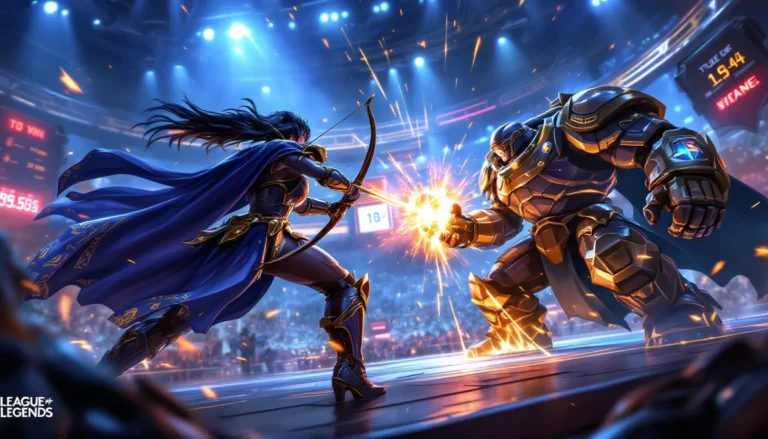
With over 160 champions and counting, League’s roster is absurdly deep. Every champion has a distinct playstyle, there’s no “one way” to win. You’ve got mechanical outplay champions like Zed and Akali that reward frame-perfect combos. You’ve got utility champions like Leona and Thresh that enable your team through perfect engages. You’ve got split-push threats like Tryndamere that force strategic decisions across the map. You’ve got hypercarries like Jinx that scale into late-game nightmares.
This diversity keeps the game fresh. You can’t master one playstyle and expect to hardstop your way to Challenger. You need flexibility, which forces continuous learning. And because champion balance shifts with patches, what’s overpowered in Patch 13.5 gets rebalanced by Patch 14.2. This constant evolution means veterans never feel like they’ve “solved” the game.
The League of Legends vs comparison between MOBAs regularly highlights how League’s champion roster creates matchup depth that competitors struggle to replicate. There’s always a counter, always a pocket pick that works in an off-meta situation.
Building A Global Esports Powerhouse
League of Legends didn’t just become popular, it became the backbone of modern esports. Riot Games invested billions into the esports ecosystem, and that infrastructure investment is a major reason the game remained culturally relevant long after the initial MOBA novelty wore off.
International Tournaments And Legendary Moments
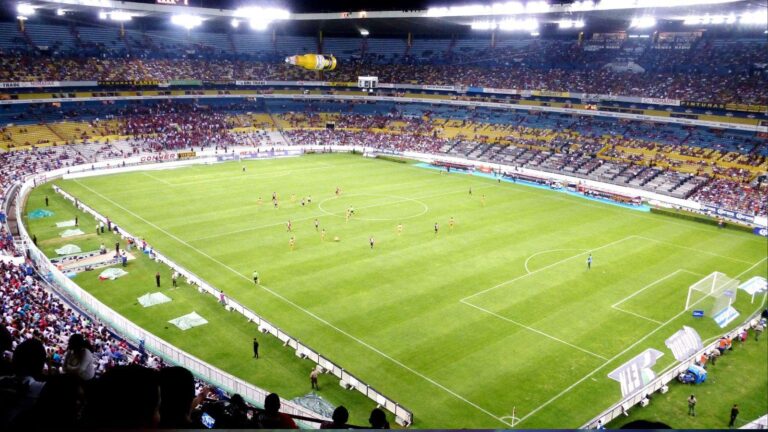
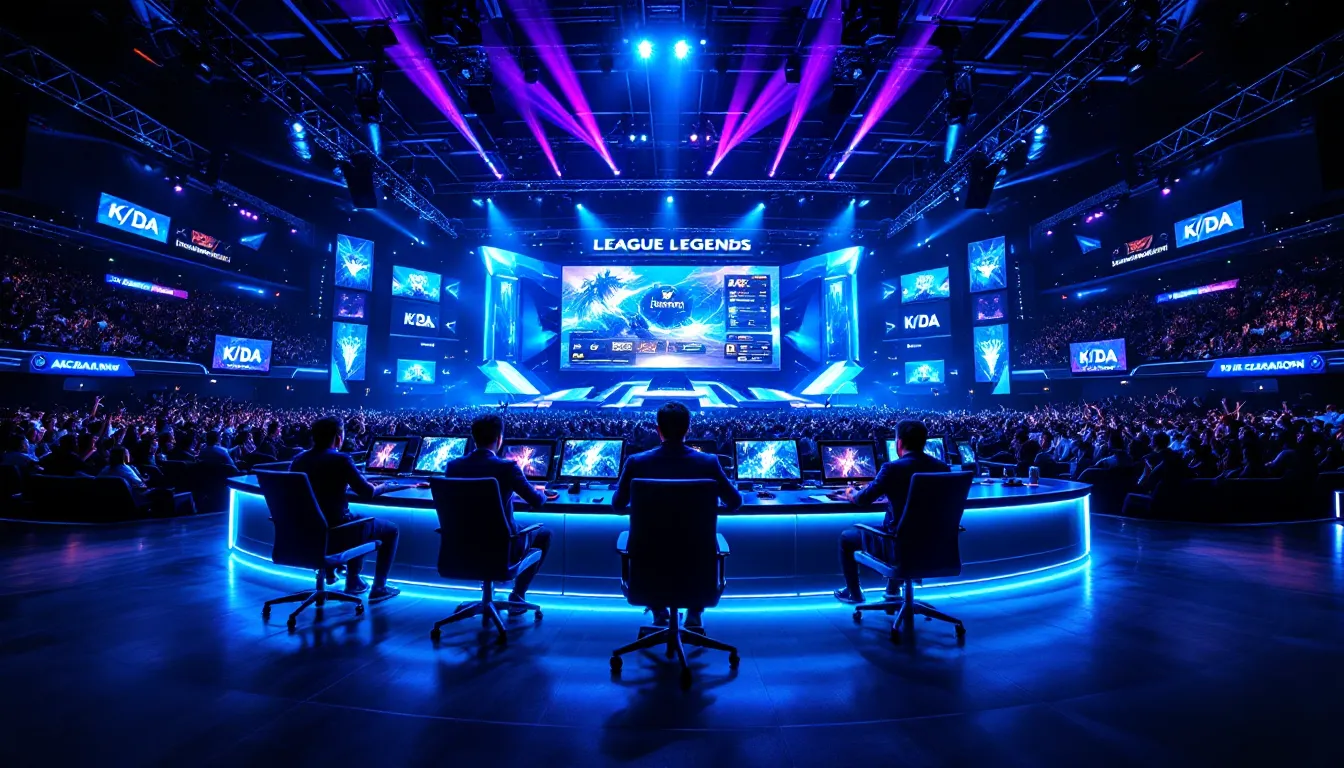
The League of Legends World Championship, held annually since 2011, is the Super Bowl of gaming. It’s broadcast in multiple languages, played in sold-out stadiums, and offers prize pools that rival traditional sports tournaments. The 2022 Worlds final in San Francisco drew over 5 million concurrent viewers. For context, that’s more than the Stanley Cup Finals.
But Worlds isn’t the only marquee event. The Mid-Season Invitational brings together regional champions for international competition mid-year. Regional playoff finals draw huge viewership. All-Stars lets fans vote on their favorite players for an exhibition tournament. The calendar is packed with competitive League content, which keeps engagement high year-round.
Legendary moments cement the game’s cultural permanence. Who doesn’t remember T1’s Faker making impossible outplays, or G2 Esports’ controversial baron steals, or 100 Thieves’ clutch playoff runs? These moments get clipped, shared on social media, and re-watched for years. The emotional investment fans have in their teams and favorite players is genuine, and Riot’s tournament organization amplifies that.
The esports circuit also creates pathways to stardom. Players like Faker become household names in Korea. Doublelift becomes a household name in NA. These personalities have genuine influence, which attracts new players to the game.
Professional Leagues Across Every Region
Riot structured professional League around regional competitions: LEC (Europe), LCS (North America), LCK (Korea), LPL (China), plus leagues in Oceania, Latin America, Brazil, and beyond. This distributed model means nearly every timezone has professional League content to follow.
Regional economies grew around these leagues. Teams became franchised entities, coaches professionalized, and sponsorships poured in. A player could now sign a contract worth six figures, get a salary, and compete full-time. That professionalization elevated gameplay quality and made esports a viable career path, which attracted mechanically gifted players who might otherwise have ignored gaming.
The esports schedules and standings across regions create a sense of ongoing competition and narrative momentum. You’re not waiting months for “the next big tournament”, there’s always something happening, always a team fighting for playoff seeding.
The Community That Keeps Growing
A great game needs a great community, and League has fostered one of the most vibrant (if occasionally toxic) gaming communities in the world. The social infrastructure around League, from content creators to in-game events, keeps players engaged between ranked sessions.
Content Creation And Streaming Culture
League is the most-streamed game on Twitch, period. At any given time, hundreds of streams are live, ranging from Challenger grinders to educational guides to cozy just-chatting sessions where pros hang out with viewers. The sheer breadth of League content means there’s always something new to watch.
YouTube creators have built empires around League guides, montages, and commentary. Channels like Coach Curtis focus on educational content, breaking down why high-elo players make specific decisions. Others like SRO create hype compilation videos that rack up millions of views. This content ecosystem serves as a funnel: someone watches a montage, gets inspired to try the game, and becomes a player.
Streaming culture also creates community. Viewers feel connected to their favorite streamers, donate for interaction, and join Discord communities where friendships form. League’s social layer extends beyond the client into Discord, Reddit, TikTok, and even esports fan forums. The game became a social hub, not just a competitive arena.
Fan Engagement And In-Game Events
Riot doesn’t just release patches and call it a day. The company runs seasonal events, limited-time game modes, and in-game cosmetics that keep the experience fresh. Battle passes reward consistent play. Esports voting lets fans influence competitive narratives. Cosmetics tie into League’s broader multimedia universe, so you can play as a champion from the Arcane Netflix series.
The Battle Academia event, Spirit Blossom event, and PROJECT skins create seasonal flavor and give players reasons to log in beyond ranked grinding. Limited-time modes like URF (Ultra Rapid Fire) offer chaotic, high-energy alternatives to standard play. These events aren’t mandatory, but they’re engaging enough that many players participate specifically for the cosmetics or just the novelty.
In-game events also tie into esports, creating a bridge between casual and competitive play. When Worlds is happening, the client highlights professional matches and player stats. Fans feel invested in the competitive scene because the game reminds them it’s happening.
Free-To-Play Model With Fair Monetization
League’s business model is deceptively genius. It’s completely free-to-play, with zero pay-to-win mechanics. Everything that impacts gameplay, champions, items, runes, summoner spells, is available to every player at no cost. The only thing you can buy with real money is cosmetics (skins, chromas, emotes, ward skins) and Battle Pass–style progression.
This approach removes the primary barrier to entry. Anyone with a PC can download League, create an account, and start playing immediately. No paywall. No “unlock champions by grinding for six months or paying $100.” That accessibility is a massive part of why League’s player base is so enormous.
The cosmetics market is where Riot makes its money, and it’s a sustainable model. Players who love the game can spend $20 on a prestige skin or battle pass without feeling forced. Players who can’t afford cosmetics aren’t disadvantaged competitively. This fairness builds goodwill and loyalty.
Compare this to games with aggressive monetization or pay-to-win mechanics. Those games might make more money initially, but they hemorrhage players long-term. League’s approach keeps the economy healthy: new players aren’t scared off by paywall concerns, and spending players feel they’re making choices rather than succumbing to pressure.
The League of Legends guides and competitive analysis available online are largely free because content creators know the game’s playerbase is enormous and willing to engage. The free-to-play model created a funnel of accessibility that fed into one of the largest game communities ever.
Cultural Impact Beyond Gaming
League of Legends transcended gaming somewhere between 2015 and 2020. Now it’s a multimedia franchise with music, television, comics, and merchandise. That expansion brought players from outside traditional gaming into the League ecosystem.
Music, Shows, And Multimedia Expansion
K/DA, a fictional K-pop group composed of League champions, released music in 2018 that genuinely slaps. “POP/STARS” and subsequent K/DA releases have millions of streams on Spotify. The group has performed at awards shows. This wasn’t just marketing: it was genuine art that attracted K-pop fans who didn’t care about the game itself. Some of those listeners eventually tried League out of curiosity.
Arcane, the Netflix animated series based on League lore, launched in 2021 and was an instant critical and commercial success. The show introduced League’s world and characters to mainstream audiences completely divorced from gaming. You didn’t need to understand the game to love Arcane. The series won Emmy nominations, appeared on best-of-the-year lists, and generated cultural moments that transcended gaming circles.
Project L, League’s fighting-game spinoff, and other upcoming titles expand the universe further. The 2024 mid-season tournament teased future multimedia projects. Riot’s building a cinematic universe like Marvel or DC, which means League isn’t just a game, it’s a cultural property.
Celebrity Endorsements And Mainstream Recognition
League secured endorsement deals with celebrities and athletes who had nothing to do with gaming. The cultural credibility that comes from being associated with famous people matters, whether you like it or not. When someone recognizes League’s logo on a hat or sees a celebrity mention the game, it signals legitimacy.
More importantly, League sponsorships brought mainstream attention. esports broadcasts started getting primetime TV slots. Gaming wasn’t a fringe hobby anymore: it was a legitimate entertainment category. That shift in perception made new players less embarrassed to admit they played League. “I play League of Legends” went from “…I know, I’m a nerd” to “…cool, my friend watches Worlds.”
Regular Content Updates And Seasonal Relevance
Riot releases balance patches roughly every two weeks. Not every patch is massive, but there’s a predictable cadence of changes that forces players to stay engaged. The meta shifts constantly. Champions that were dogshit in Patch 14.1 become overpowered in Patch 14.3 because their itemization got buffed indirectly. Junglers’ roles change mid-season. Bot lane matchups flip upside-down.
This constant evolution prevents League from feeling stale. You can’t master the game permanently: you have to keep learning. A champion you mained last season might be unplayable now, forcing you to explore new playstyles. That friction keeps long-term players engaged in ways that a static game can’t.
Seasons reset annually (starting each January), which provides narrative momentum. Players can start fresh, climb the ladder again, and aim for higher ranks. It’s a psychological reset that makes the grind feel worthwhile. Your 2025 Diamond rank doesn’t carry forward: you reset to a provisional rank and climb again. That restart keeps the competitive ladder feel fresh.
Riot also listens to community feedback, imperfectly but genuinely. When mechanics feel broken, they iterate. When a champion gets 10 consecutive nerfs and still dominates, they rework the champion fundamentally. League of Legends ideas for improvement across community forums influence how Riot prioritizes balance changes. That responsiveness builds faith that the game is being actively maintained, not abandoned.
Why Popularity Translates To Player Retention
Here’s the thing about League’s popularity: it’s self-reinforcing. The more players League has, the more content gets created around it. The more content exists, the easier it is for new players to learn. The easier it is to learn, the more players join. That cycle has been running for 15 years.
Popularity also means your friends are probably playing. Social gravity is powerful. If your gaming friend group plays League, you’re incentivized to join them. It’s not just the game that’s keeping you engaged: it’s the people you’re playing with.
Competitive integrity also builds retention. Ranked is genuinely competitive. Your rank means something because millions of other players are grinding the same ladder. Reaching Diamond isn’t just “a video game achievement”, it’s a tangible marker that you’re better than 99.5% of players. That status feels real because the competition is real.
The League of Legends tools and resources available for improvement, from replays to analysis sites, make self-improvement feel possible. You lose a game, watch the replay, identify your mistakes, and know you can fix them next time. That agency keeps players coming back.
Players also develop emotional attachments to their accounts. Years of ranked progression, cosmetic purchases, and competitive identity become meaningful. You don’t just “quit League”, you’re potentially abandoning an account with real value, even if that value is entirely intangible. That sunk cost is a retention tool.
Last, League’s competitive ceiling is high enough that improvement feels endless. You can play for five years and still be making fundamental mistakes in wave management or macro rotations. That depth gives players permanent goals to chase, which translates to permanent engagement.
Conclusion
League of Legends isn’t popular by accident. Riot Games built a game that’s genuinely fun to play, surrounded it with a world-class esports ecosystem, monetized it fairly, expanded it into multimedia, and maintained it consistently for 15 years. Every decision, from champion design to seasonal resets to Arcane production, reinforced why League matters.
The game’s popularity in 2026 isn’t nostalgic holdover from its 2009 launch. It’s because new players keep discovering League and finding it worth their time. It’s because competitive players have a legitimate path to esports careers. It’s because casual players can hop on with friends for a relaxing normal draft. It’s because streamers make incredible content around the game. It’s because Arcane introduced League to non-gamers.
What started as a mod for Warcraft III has become a cultural phenomenon that defines modern esports and gaming. That trajectory isn’t common. Most games have explosive growth, then collapse. League’s popularity is sustained because the fundamentals, game design, community, competitive structure, and business model, are sound. As long as Riot maintains those fundamentals, League will remain one of the world’s most popular games.