Table of Contents
ToggleOld School RuneScape stands as one of gaming’s most unexpected success stories. Launched in 2013 as a rollback to the game’s 2007 state, OSRS has grown into a thriving MMO with hundreds of thousands of active players and a dedicated community that rivals modern releases. In 2026, the game continues to receive major content updates, balance patches, and seasonal events that keep veteran players engaged while welcoming newcomers. Whether you’re curious about what makes 3D RuneScape Oldschool tick or you’re ready to jump into Gielinor yourself, understanding the core mechanics, progression systems, and social pillars will set you up for success from day one.
Key Takeaways
- Old School RuneScape Oldschool thrives as a player-driven MMO by respecting time investment and granting players agency to define their own progression path, whether through grinding, questing, or PvP.
- The tick-based combat system and sophisticated mechanics in 3D RuneScape Oldschool rival modern MMOs despite humble graphics, rewarding strategic prayer management and gear optimization.
- New players should prioritize core combat skills and leverage quests for massive experience shortcuts, while avoiding equal skill distribution to focus on meaningful specialization.
- OSRS’s robust economy and Bonds system eliminate pay-to-win mechanics by allowing players to convert farming time into membership, creating depth that attracts both casual and competitive players.
- Hardcore Ironman and seasonal League events provide fresh challenges that reset progression and attract returning players, ensuring sustained community engagement and competitive spirit in 2026.
What Is 3D RuneScape Oldschool?
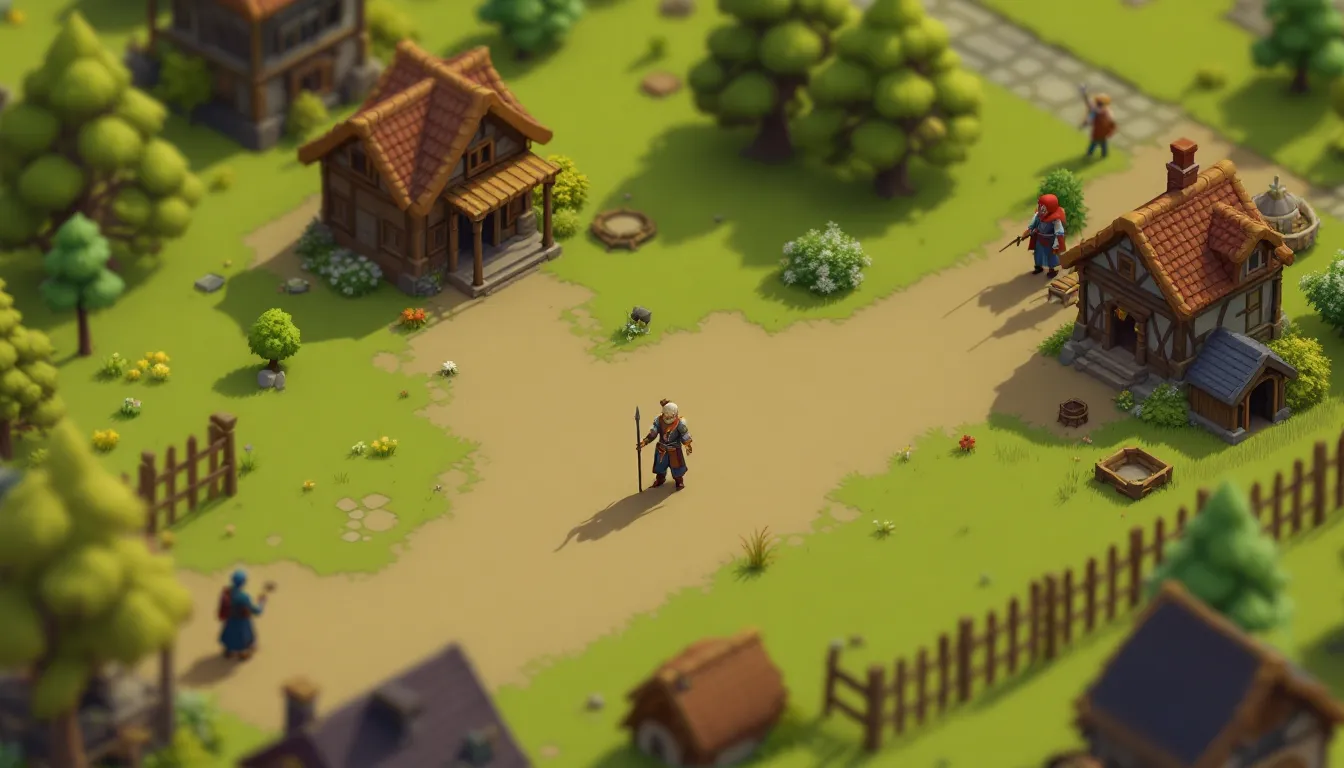
3D RuneScape Oldschool (OSRS) is a massively multiplayer online role-playing game developed and published by Jagex. It exists as a parallel version of the modern RuneScape 3, frozen in time at the game’s 2007 state and running on an enhanced engine with quality-of-life improvements that the community votes on. Unlike many MMOs that chase cutting-edge graphics or systems bloat, OSRS embraces its roots, low-poly 3D models, isometric camera angles, and gameplay mechanics that reward patience, strategy, and engagement over reflexes.
The game runs on PC, mobile platforms (iOS and Android), and browser-based clients. It’s free-to-play with optional membership ($10.99/month USD for premium features), making it accessible to players on any budget. Most core content is available to free accounts, though membership unlocks additional skills, quests, areas, and quality-of-life features that significantly accelerate progression.
The Evolution From 2D To 3D Graphics
When 3D Graphics Arrived In RuneScape
RuneScape launched in 1998 as a 2D browser-based game with top-down graphics and simple sprites. By 2002, Jagex released a revolutionary 3D engine that transformed RuneScape into one of the first browser-based 3D MMOs. This shift brought an isometric perspective, depth perception, and a sense of scale that made Gielinor feel like a tangible world. The 3D transition was controversial, some players loved the enhanced visuals, while others mourned the loss of simplicity. Even though the debate, the new engine became foundational to RuneScape’s identity and allowed for more complex environments, quests, and boss encounters.
Why The Community Demanded Classic RuneScape
By 2012, RuneScape had undergone years of updates, balance changes, and new features. The game’s direction shifted toward faster progression, more complex mechanics, and eventually, RuneScape 3’s visual overhaul and new combat system. Many veteran players felt the game had lost its soul, grinding had become less rewarding, the community felt fragmented, and the challenge that defined early RuneScape seemed diluted.
In 2013, Jagex made a calculated bet: they released a 2007 version of the game as a “legacy” server. The response was overwhelming. Thousands of players flooded back, and what was meant as a niche nostalgia project became a full-fledged game. The community voted on which updates to carry out, creating a parallel universe where players had agency over the game’s direction. Today, Old School RuneScape represents, accessible, grind-heavy, and driven by player choice rather than developer mandate.
Key Features Of RuneScape Oldschool
Skills And Training Systems
OSRS features 25 trainable skills, each governing different gameplay aspects: Combat (Attack, Strength, Defense, Ranged, Magic), Gathering (Mining, Woodcutting, Fishing, Hunting), Processing (Cooking, Smithing, Crafting, Herblore, Fletching), and Knowledge skills (Prayer, Runecrafting, Slayer, Agility, Thieving, Farming, Construction). Each skill has a 1–99 progression system, with max efficiency requiring hundreds of hours.
Training methods vary wildly. Fishing can be done semi-AFK by clicking on a fishing spot every few minutes, while Agility demands constant clicking for higher XP rates. This diversity means players can tailor their grind to their playstyle, some want maximum efficiency, others prefer relaxed progression. Quests provide skill experience as rewards, offering narrative breaks from repetitive training. For comparison, what defines RuneScape compared to other MMORPGs is this emphasis on player-paced progression without artificial level gates.
PvP And Combat Mechanics
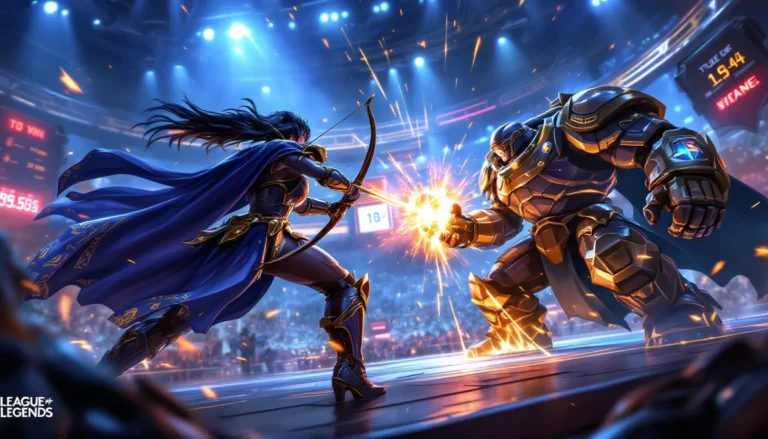
Combat in OSRS uses a “tick-based” system where actions resolve every 0.6 seconds (100 milliseconds per tick). This creates a rhythm that feels turn-based but allows for real-time strategy. Players select a combat style (melee, ranged, or magic), equip appropriate gear, and manage prayer points for stat boosts or protection spells.
The Wilderness is OSRS’s open-world PvP zone where any player can attack another (above level 20). Killing other players grants Loot Keys containing the victim’s valuable items. This risk-reward dynamic creates tension absent in PvE content. Competitive players pursue PKing (player killing) in specific hotspots, optimizing their gear for specific opponent builds. God Wars Dungeon and Inferno represent the skill ceiling for combat: mastering these requires knowledge of enemy attack patterns, prayer flicking (switching prayers mid-combat), and gear swaps measured in milliseconds.
Economy And Wealth Building
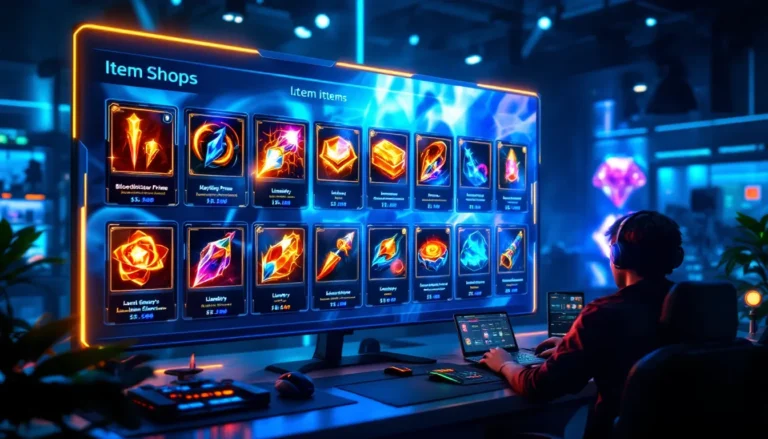
OSRS has a robust player-driven economy. Items vary wildly in value, a steel pickaxe costs ~500 gold, while rare drops from endgame bosses can exceed 100+ million. The Grand Exchange is a central marketplace where players buy and sell items with price limits updating daily based on trading volume.
Wealth building follows predictable paths: low-level players farm Goblins for small coin drops, mid-tier players train Slayer (hunting specific monsters for experience and loot), and endgame players camp Boss encounters or execute flipping strategies (buying low, selling high on the Grand Exchange). Bonds (cosmetic items that grant membership) trade freely, meaning time invested in farming can be converted into subscription time, eliminating the need for real money transactions. This economic depth attracts spreadsheet enthusiasts and players who enjoy the metagame beyond combat.
Getting Started: Beginner Tips For New Players
Choosing Your First Skills
New players should prioritize Attack, Strength, and Defense to 40 before tackling anything complex. This unlocks rune equipment and basic quests. Simultaneously, train Cooking and Fishing to supply your own food, this saves gold early on and teaches core mechanics.
Ignore the temptation to train every skill equally. Specialization matters. Focus on one or two combat-related skills until 50+, which opens mid-tier dungeons and monsters. Once you’re comfortable with combat, branch into Prayer (using prayer points for boosts) and Magic as secondary tools. RuneScape for beginners often overlooks the importance of quests, they provide massive experience shortcuts. Completing “Dragon Slayer” early grants 18,650 Defense experience instantly, cutting weeks off your grind.
Early Game Money Making Methods
Free-to-play accounts should farm Chickens or Cows for hides and feathers (vendored to NPCs for ~100 gold each), then graduate to Cowhide tanning (buying cowhide, processing it into leather, selling for 100% markup). This requires zero combat stats and teaches the crafting loop.
Members have faster options: Collecting seaweed and converting it into Soda ash (used in glass-crafting) yields ~150k gold/hour. Collecting milk and cooking yields similar returns with more engagement. By 30–40 Combat, players can camp Hill Giants for Giant bones (prayer training material selling for profit). By 50+, Gargoyles and Dust Devils (Slayer monsters) drop consistent loot. The goal isn’t maximum efficiency, it’s learning the game while funding your first good weapon. Avoid trading real money for in-game currency: the grind is the entire point.
Advanced Gameplay Strategies
Efficient Leveling Routes For Endgame Players
Endgame players (80+ in relevant skills) optimize every second. Combat training at 99 follows mathematical perfection:
- Ranged: Chin-training (using chinchompas to hit multiple enemies) at Ape Atoll yields ~200k XP/hour but costs significant supplies.
- Magic: Splashing (attacking from range while enemies attack back, regenerating health via healing spells) is AFK but yields only ~15k XP/hour. Alternatively, bursting in Catacombs of Kourend hits ~100k XP/hour with risk.
- Melee: Nightmare Zone (an instanced dungeon with wave-based combat) offers ~50k–70k XP/hour with AFK periods and boosted Strength stats.
Non-combat skills follow similar patterns. Herblore (crafting potions) is expensive but fast, players achieve 99 in days by grinding out thousands of potions. Crafting through high-tier equipment requires materials purchased from the Grand Exchange: efficiency is measured in GP spent per XP gained.
RuneScape Trends 2026: What to expect shows that players increasingly race toward 99s using calculated routes, then pivot toward Questpoint cape (completing all quests) and cosmetic achievements. Watching efficient players stream reveals constant optimization, reworked routes, updated gear setups, and faster pathing through dungeons.
Boss Encounters And Raids
Boss encounters test combat knowledge, prayer management, and gear optimization. Barrows (an instance with 6 bosses) is endgame-accessible at 70 Combat stats, teaching mechanics like prayer flicking and multi-stage fights. God Wars Dungeon escalates difficulty with four separate bosses requiring specific strategies (bringing a Saradomin priest to tank Commander Zilyana, for example).
Raids push difficulty further. Theatre of Blood (a 5-player instance with rotating bosses) demands perfect execution, one misstep can wipe the team. Tombs of Amascut (released in 2023) scales difficulty based on player count and participation, rewarding optimized groups with exclusive cosmetics and high-level gear. These encounters drop items worth millions, making them prime targets for hardcore groups. Watching Game8’s raid tier lists for meta builds reveals which gear combinations and prayer combinations are currently optimal.
Hardcore Mode And Ironman Accounts
Hardcore Ironman mode is OSRS’s permadeath challenge. Players receive no help from other players (can’t trade, can’t access shared banks), and a single death ends the account permanently. A hardcore character pushing past 1,000 hours of playtime represents genuine achievement, one mistake costs everything. Thousands of players stream their hardcore progression, and the community celebrates major milestones (first 99, first Firecape, etc.) with genuine excitement.
Regular Ironman removes the permadeath penalty but maintains the trade restrictions, creating a solo progression experience. Ironman accounts gain access to unique item cosmetics and a distinct username prefix, signifying prestige. This mode appeals to players who enjoy the hunt for rare drops (farming bosses until you personally loot the rare item) rather than simply buying from the Grand Exchange.
The Community And Social Aspects
Guilds And Clan Systems
OSRS guilds are informal player organizations (no built-in mechanic, just a Discord server and shared Grand Exchange tax). Major guilds organize PvP events, boss raids, and skill competitions. Joining an active guild transforms OSRS from a solitary grind into a social experience.
Larger clans host Clan Wars (5v5 PvP battles with no loot risk, used for practice) and Citadels (shared guild spaces where members contribute resources to unlock perks). These systems create a sense of belonging and regular social interaction. Players in competitive clans spend hours strategizing builds, discussing patch notes, and practicing mechanics together. This competitive camaraderie mirrors traditional esports, but without the stakes of prize pools or sponsorships, it’s purely for bragging rights and community respect.
Events And Competition
OSRS developers host Seasonal events (Halloween, Christmas) with limited-time quests and cosmetic rewards. Leagues (announced periodically) are restricted-scope versions of OSRS where all players start fresh with unique rulesets. The most recent League variant restricted players to specific regions or removed certain skills, creating fresh challenges. These events reset the grind and attract returning players.
Player-organized competitions are equally important. Streamers host Speedrun races (competing to achieve specific milestones fastest), and PvP communities organize Tournaments with prize pools funded by donations. The competitive scene is small compared to traditional esports, but it’s thriving. IGN’s coverage of MMORPG esports occasionally features OSRS championship moments, a perfectly executed Inferno run or an unexpected PvP upset gains traction across gaming media. The community values individual skill expression and personal achievement over corporate-backed esports structures.
Conclusion
3D RuneScape Oldschool succeeds because it respects player time and agency. There’s no “correct” way to play, you might grind Slayer for 2,000 hours, or you might speedrun quests, or you might spend 90% of your time in PvP zones. The game doesn’t push you toward endgame: it invites you to define your own goals.
In 2026, OSRS shows no signs of decline. Regular content updates, a thriving competitive community, and an economy that rewards long-term engagement keep players invested for years. The transition from 2D to 3D might seem quaint compared to modern MMOs, but those humble graphics hide sophisticated systems, tick-based combat, intricate boss mechanics, and economy-driven gameplay that still rivals contemporary releases. If you’re considering jumping in, now’s as good a time as ever. The community welcomes newcomers, and the grind awaits.